

19 January, 2026 The "Bahrain Geospatial Data Convention 2026" commenced today in the presence of His Excellency Eng
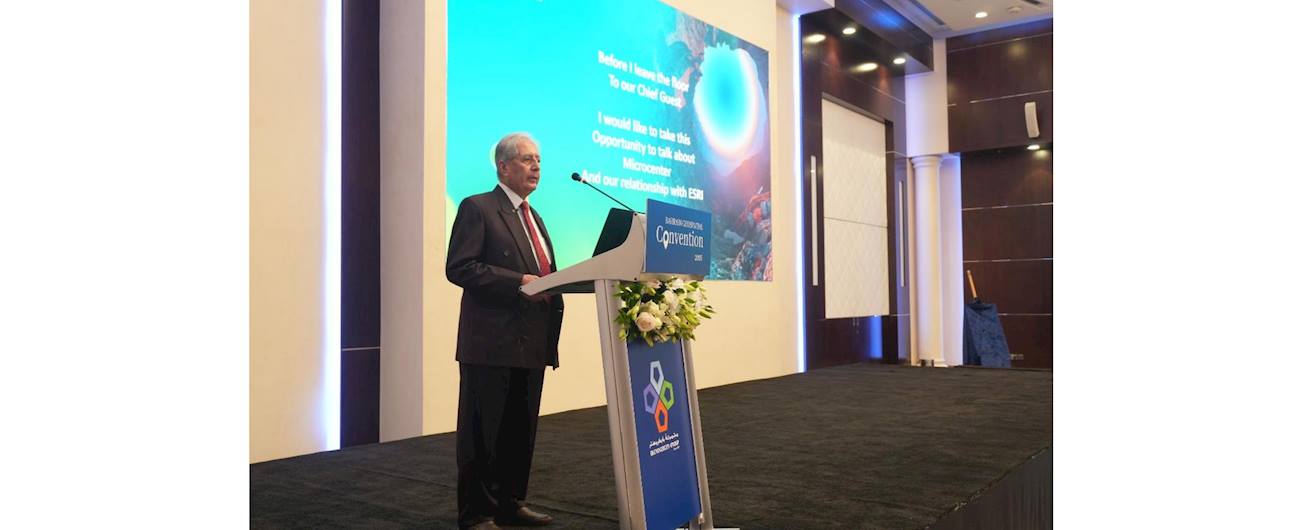
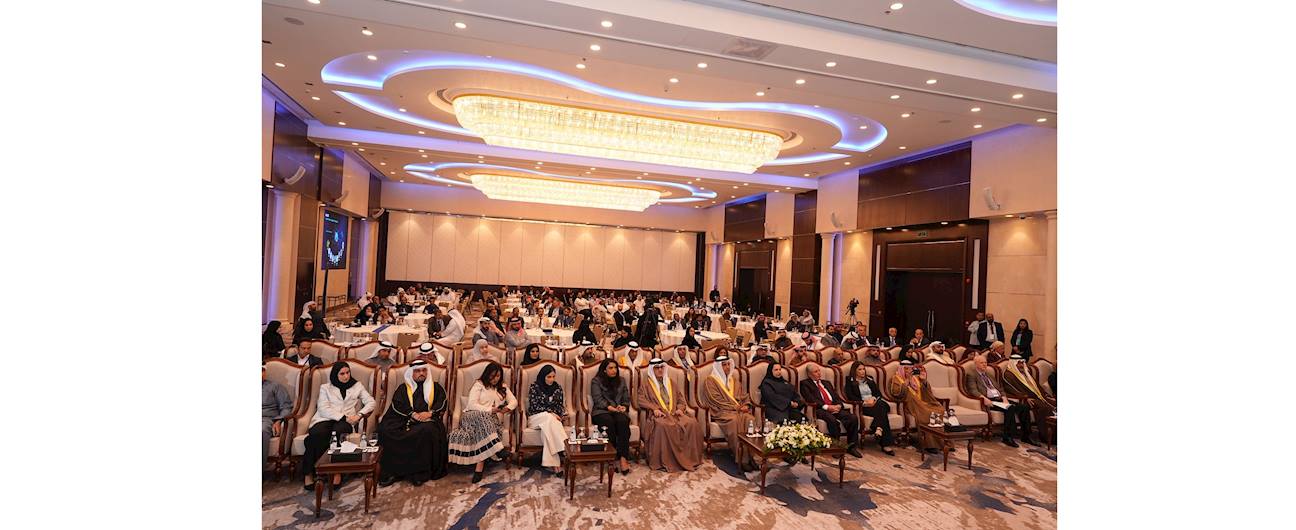
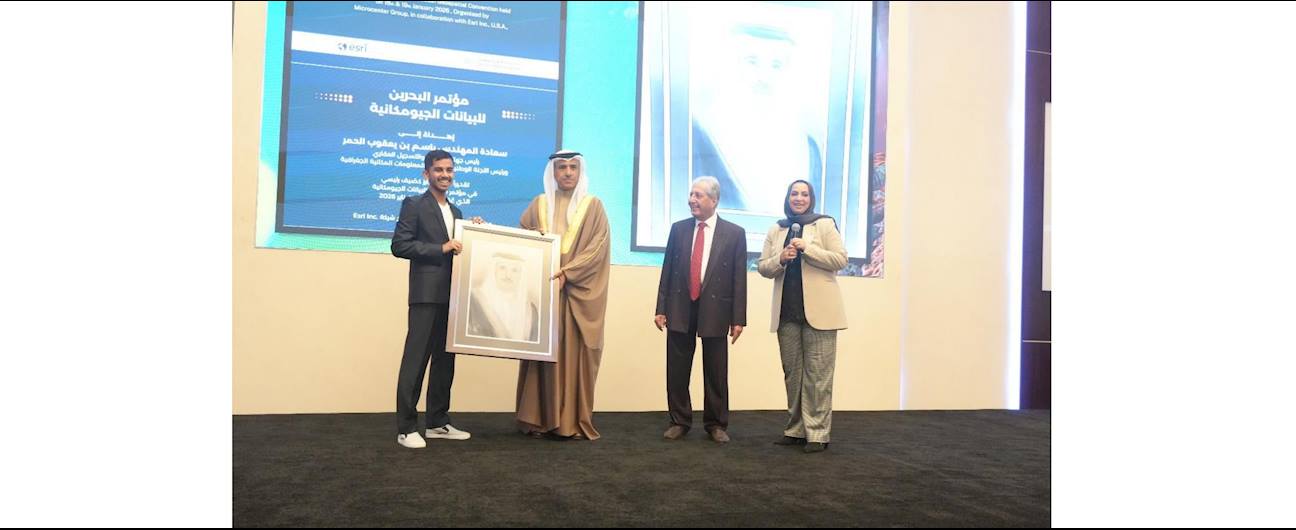
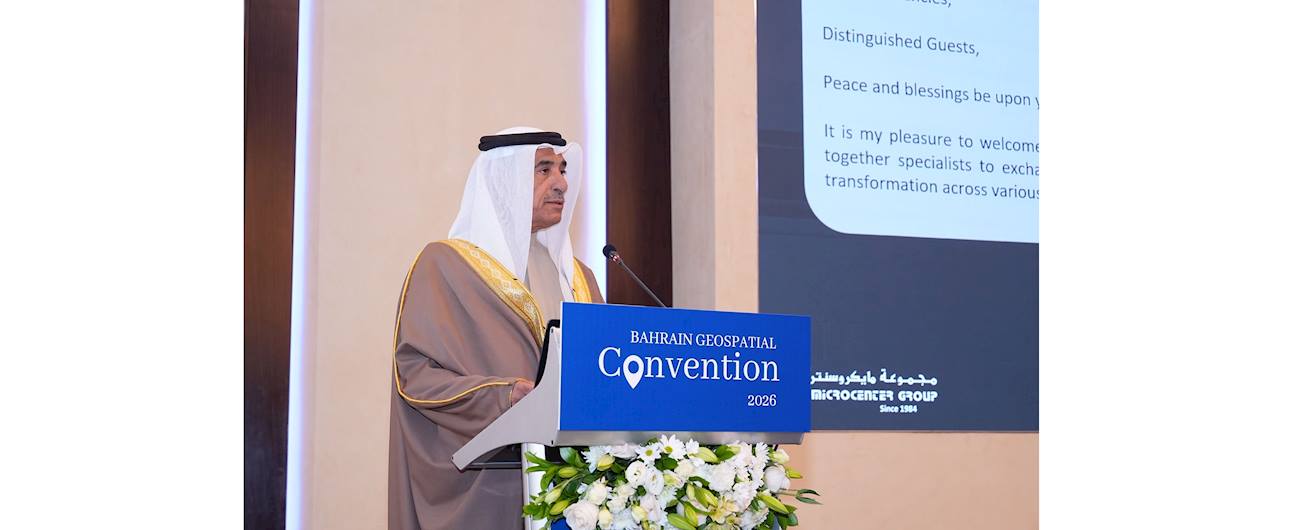
The "Bahrain Geospatial Data Convention 2026" commenced today in the presence of His Excellency Eng. Basim bin Yaqob Al Hamer, President of the Survey and Land Registration Bureau (SLRB) , alongside several senior officials from the public and private sectors, and with the participation of more than 250 specialists and experts.
The convention is organized by Microcenter Gulf in cooperation with Esri, under the theme "Empowering Bahrain’s Vision through GIS Innovations." This event supports national efforts toward enhancing the use of geospatial technologies to achieve digital transformation and sustainable development, aligning with the objectives of Bahrain Economic Vision 2030.
During his opening speech, His Excellency Eng. Basim bin Yaqob Al Hamer emphasized that Geographic Information Systems (GIS) have become a pivotal tool in supporting decision-making, improving planning efficiency, and developing government services. He noted that SLRB continues to implement strategic projects aimed at developing geospatial infrastructure, including the development of national 3D maps, the establishment of unified digital platforms to link geospatial data with government systems, and the enhancement of efficiency in land and real estate management.
In this context, His Excellency announced the launch of Geoportal, an integrated digital platform designed to unify and facilitate the exchange of geospatial data between various
stakeholders. This allows for broader access to accurate information and enables all parties to effectively employ this data in strategic decision-making and digital transformation pathways.
For his part, Dr. Ghulum Bakiri, Chairman of Microcenter, explained that the convention serves as an advanced platform for exchanging expertise and strengthening cooperation between specialists from government and private entities and international partners. He highlighted GIS applications in vital areas such as Building Information Modeling (BIM), licensing, construction monitoring, e-government, environmental sustainability, and the telecommunications sector, affirming that the Kingdom of Bahrain has been a pioneer in adopting GIS to support digital transformation and improve public services.
Dr. Bakiri also noted that the SLRB has achieved significant progress in developing geospatial capabilities through important initiatives, while the Electricity and Water Authority (EWA) has contributed to enhancing utility and asset infrastructure management by implementing advanced systems based on GIS.
Furthermore, Mr. Mohammed Issa, Regional Director for Central Asia and the Middle East at Esri, confirmed that the company is a global leader in GIS, and that the ArcGIS platform provides an integrated system that utilizes spatial intelligence to address complex challenges and support decision-making.
He pointed out that this participation reflects Esri's established presence in the Gulf region since the founding of its first regional office in the Kingdom of Bahrain in 1997. He praised the remarkable progress made by the SLRB in developing geospatial capabilities through its initiatives, reflecting a future-oriented institutional vision that supports digital transformation.
The convention includes specialized sessions and presentations reviewing the latest practical applications of GIS and ways to deploy them in the fields of e-government, urban planning,
infrastructure, and environmental sustainability, while also highlighting local and international experiences in merging geospatial technologies with modern digital tools.
Several government and academic entities are participating in the convention, including the Survey and Land Registration Bureau, the Information & eGovernment Authority, the Electricity and Water Authority, the Bahrain Space Agency, and the Arabian Gulf University, along with specialized international companies. This underscores the importance of the convention as a platform for exchanging expertise, strengthening partnerships, and supporting the Kingdom’s direction toward building an integrated geospatial ecosystem that contributes to achieving sustainable development.